
For individuals, a strong reputation can open doors to new professional opportunities. A positive digital footprint can enhance employability, while a tarnished reputation can lead to missed opportunities. Networking and personal branding have also become increasingly important in building a professional reputation. Employers often research candidates’ online presence before making hiring decisions.
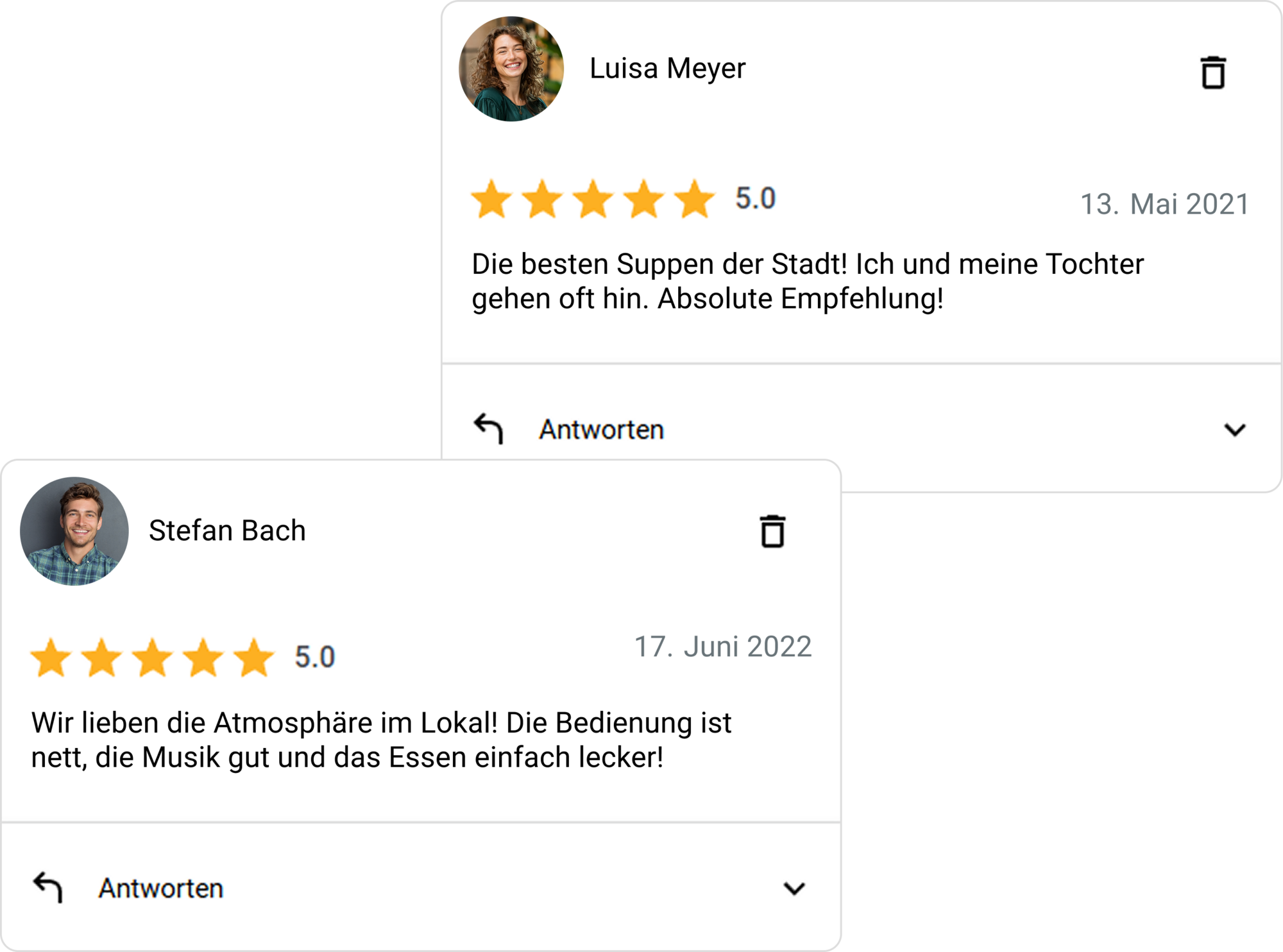
With a team of experienced professionals and a commitment to client success, Reputation House Serm is poised to shape the future of reputation management. As the demand for online reputation management continues to grow, Reputation House Serm remains at the forefront of the industry. The company’s innovative approach, combined with its dedication to ethical practices, has set a new standard for ORM services.
Today, consumers can share their experiences with a global audience, leading to a more democratic yet complex system of reputation building. Historically, reputation was built through word-of-mouth, personal experiences, and local community interactions. However, with the advent of the internet and social media, the landscape of reputation management has evolved dramatically.
Some businesses may attempt to manipulate their ratings by posting false reviews, while competitors may engage in smear campaigns by posting negative feedback. The rise of reputation house reviews has also led to the proliferation of fake reviews—both positive and negative. This manipulation can undermine the integrity of the review system and make it challenging for consumers to discern genuine feedback.
The research was carried out over a period of three months, during which time the researcher immersed themselves in the daily activities and events organized by the house. The observational research conducted at Reputation House Serm involved a combination of participant observation and informal interviews with members. This approach allowed for a nuanced understanding of the social dynamics at play and provided insight into the motivations and behaviors of the members.
These critical reviews suggest that while the company promotes an inclusive culture, there may be inconsistencies in how this is practiced on the ground. In contrast, some reviews pointed to a disconnect between the company’s stated values and the actual experience of employees. Such discrepancies can lead to feelings of disenfranchisement among employees who feel overlooked or undervalued. A minority of reviewers expressed concerns about favoritism and a lack of transparency in decision-making processes.
A reputation house can be seen as a metaphorical structure that encapsulates the various elements contributing to an individual’s or organization’s reputation. In an increasingly interconnected world, where social interactions and business transactions often occur online, the concept of a “reputation house” has emerged as a vital framework for understanding how trust is built, maintained, and sometimes dismantled. This article will explore the components of a reputation house, the importance of reputation in the digital age, and strategies for building and maintaining a solid reputation.
Businesses must develop strategies to mitigate the impact of negative reviews. This may include implementing customer service improvements, actively soliciting positive feedback from satisfied customers, and responding professionally to negative comments. By demonstrating a commitment to resolving issues, businesses can often turn a negative experience into a positive one.
Engaging with audiences through social media, forums, and community events can enhance the reputation house employee reviews house’s appeal, making it a space where trust flourishes. Organizations should strive to create environments where stakeholders feel comfortable sharing their thoughts and feedback. In the digital age, accessibility can take many forms, from user-friendly websites to responsive customer service channels.
In addition to its core services, Reputation House Serm has also invested in educational initiatives aimed at raising awareness about the importance of online reputation management. This commitment to education reflects the company’s belief that informed clients are better equipped to navigate the complexities of the digital landscape. Through webinars, workshops, and informative content, the company seeks to empower individuals and businesses with the knowledge and tools they need to protect and enhance their reputations proactively.