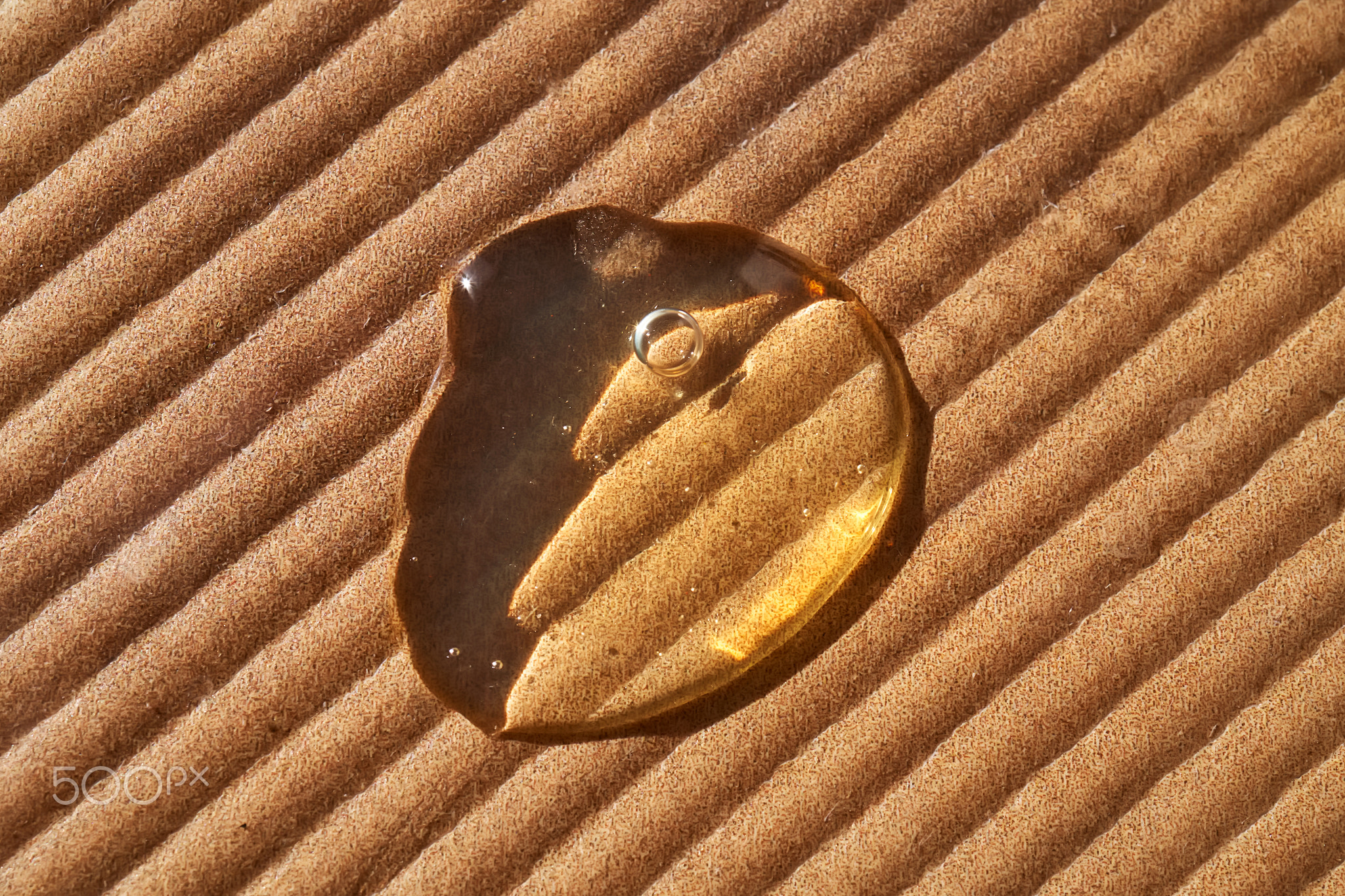
Radiant skin depends heavily on skin elasticity. As the skin ages, the skin barrier weakens. A high-quality peptide serum helps improve skin firmness without the irritation often associated with harsh active ingredients.
Cosmetic professionals widely use peptide serums because peptides act as building blocks for healthy skin proteins. As part of a balanced skincare routine, they can enhance skin hydration while supporting long-term skin health.
This guide explains how peptide serum works, including application strategies, common mistakes to avoid, and tips for maximizing results.
What Is a Peptide Serum?
A peptide serum is a lightweight skincare product formulated with peptides, which are essential molecules that support skin structure. These peptides help the skin produce collagen and elastin more efficiently.
Instead of stripping the skin, peptides work by stimulating repair signals naturally.
Why Peptides Matter in Skincare
Peptides help the skin produce:
Structural proteins for elasticity
Elastin for flexibility
Protective skin proteins
Because environmental damage affects skin health, peptide-based skincare has become increasingly popular in modern dermatology.
Major Benefits of Peptide Serum
1. Targets Visible Signs of Aging
One of the biggest reasons people use peptide serum is its ability to support smoother skin.
Signal peptides encourage the skin to produce more collagen, helping minimize:
Expression wrinkles
Crow’s feet
Fine texture changes
When used daily, users often notice improved smoothness.
2. Supports Elasticity
Loss of firmness is commonly linked to collagen depletion.
A peptide serum may help:
Increase firmness
Boost elasticity naturally
Strengthen the skin barrier
3. Supports Skin Recovery
Strong barrier protection helps reduce:
Dryness
Environmental stress
Barrier damage
This makes peptide serums ideal for:
Reactive skin
Aging skin
Compromised skin barriers
4. Helps Skin Stay Hydrated
Many peptide formulas include:
Moisture-binding compounds
Barrier-support ingredients
Hydration boosters
This combination helps the skin appear:
More refreshed
Visibly balanced
Peptide Serum vs Retinol
Both ingredients offer anti-aging support, but they work differently.
| Feature | Peptide Serum | Retinol |
|—|—|—|
| Main Benefit | Improves elasticity | Boosts exfoliation |
| Irritation Risk | Minimal | Moderate to high |
| Best For | Barrier support | Deep wrinkles |
| Hydration Support | Often hydrating | May dry the skin |
Professional Insight
Most skincare experts recommend combining peptides with retinol.
A common routine includes:
Peptide serum in the morning
Targeted nighttime retinol use
This strategy helps reduce irritation.
How to Choose the Best Peptide Serum
Not every formula delivers the same results. Peptide concentration matters significantly.
Look for These Key Ingredients
Repair Peptides
Known for skin regeneration.
Collagen-Support Peptides
Frequently used in anti-aging skincare because they help improve firmness.
Expression-Line Peptides
Helps reduce the appearance of dynamic wrinkles.
Ingredients That Work Well With Peptide Serum
Recommended Pairings
A peptide serum works especially well with:
Vitamin B3
Skin-repair compounds
Lightweight moisturizers
Panthenol
These ingredients help:
Reduce irritation
Enhance long-term results
How to Apply Peptide Serum Correctly
Recommended Application Steps
Start with clean skin
Apply toner if desired
Use peptide serum on damp skin
Follow with moisturizer
Apply SPF every morning
Important Tips
Avoid over-applying
Protect ingredients from sunlight
Maintain regular use
Pros and Cons of Peptide Serum
Pros
Suitable for daily use
Supports collagen naturally
Easy to combine with routines
Supports hydration
Potential Drawbacks
Results take time
Medical-grade products may cost more
Cheap formulas may underperform
Expert Opinion on Peptide Serum
Licensed estheticians often recommend peptide-based skincare after:
Professional resurfacing treatments
Barrier-repair treatments
Why?
Because peptides help:
Strengthen the barrier
Improve hydration
For users experiencing irritation, peptides offer a gentler option with long-term anti-aging benefits.
Peptide Serum Errors
Overloading the Skin
Aggressive exfoliants can compromise the skin barrier.
Skipping Sunscreen
UV damage rapidly breaks down collagen. Even the best peptide serum cannot fully offset sun damage without SPF.
Wanting Instant Changes
Peptides work gradually. Most users need several weeks.
Choosing Safe Peptide Skincare
Searching for “**peptides near me**” may show:
Dermatology clinics
Beauty retailers
What to Look For
Choose providers that offer:
Clearly labeled formulas
Professional consultations
Dermatologist-backed products
Avoid:
Unrealistic anti-aging claims
Conclusion: Why Peptide Serum Is Worth Adding to Your Routine
A high-quality peptide serum can help improve firmness while remaining gentle enough for regular use.
Whether your goal is wrinkle prevention, peptide-based skincare offers a dermatologist-supported solution for improving:
Skin texture
Collagen support
Choosing well-formulated products remains essential for achieving the best results from any peptide serum routine.
Common Questions About Peptide Serum
1. What does peptide serum do?
A peptide serum helps support collagen production while strengthening the skin barrier and improving hydration.
2. Can I use peptide serum every day?
Yes. Most peptide serums are designed for twice-daily routines.
3. Is peptide serum good for sensitive skin?
In most cases, yes. Peptides are generally well tolerated.
4. How long does peptide serum take to work?
Most users notice changes within 6–12 weeks.
5. Can peptide serum be used with retinol?